












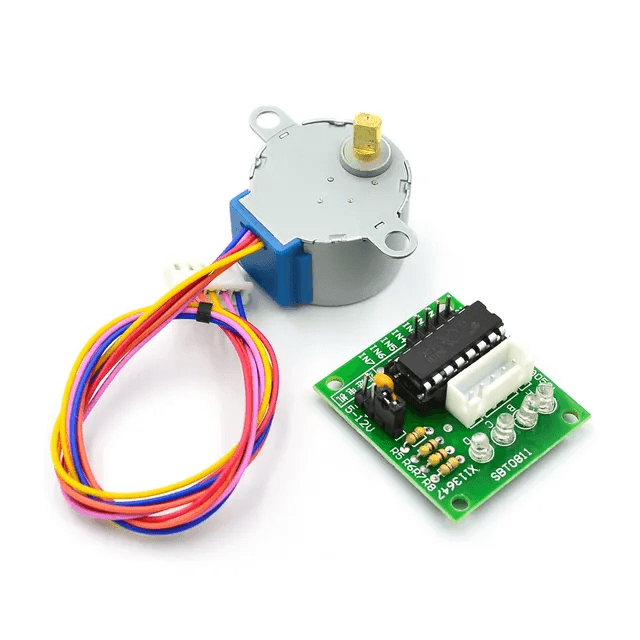
Step Motor and ULN2003 Step Motor Sensor
Geared stepper motor with ULN2003 driver board for precise low-speed rotation in Arduino motion projects. The Stepper Motor is an electromagnetic device that converts digital pulses into discrete mechanical rotations. Unlike standard DC motors that rotate continuously when voltage is applied, a stepper motor moves in precise, fixed angular increments known as steps. This open-loop positioning capability makes it ideal for applications requiring exact displacement and speed control, such as CNC machinery, 3D printers, and robotics, where it can also maintain a holding torque to lock a load in position. The ULN2003 Driver Board functions as a high-current Darlington transistor array that bridges the gap between low-power control logic and the motor. Microcontrollers cannot output the high current necessary to energize the motor's internal coils and connecting them directly would damage the control circuitry. The ULN2003 receives the low-current sequencing signals from the microcontroller and switches a separate, higher-current external power supply to drive the motor windings in the correct order.
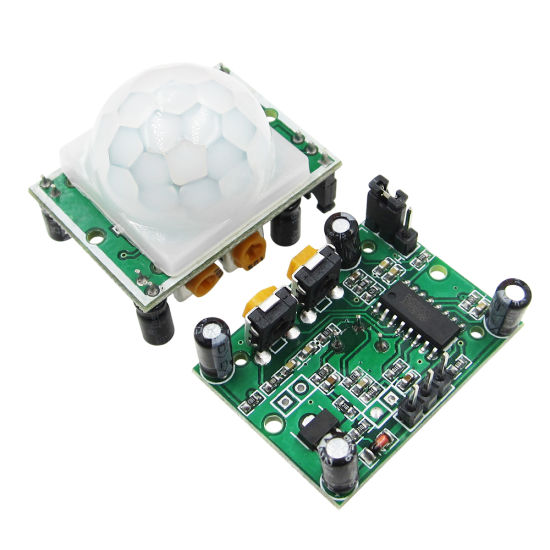
HC-SR505 Pir Motion Sensor Module
Compact PIR motion sensor module for detecting human movement in automation and alarm systems. The HC-SR505 is a miniature passive infrared (PIR) motion sensor that detects moving heat sources, like humans or animals, by measuring changes in infrared radiation. Operating on 4.5V to 20V, it features a simple three-pin interface: power (VCC), ground (GND), and a digital output. When motion is detected within its 3-meter range, the output pin flips to a high state (3.3V) for a fixed delay of roughly 8 seconds before returning to low (0V), making it highly efficient for compact security, automation, and battery-powered applications.
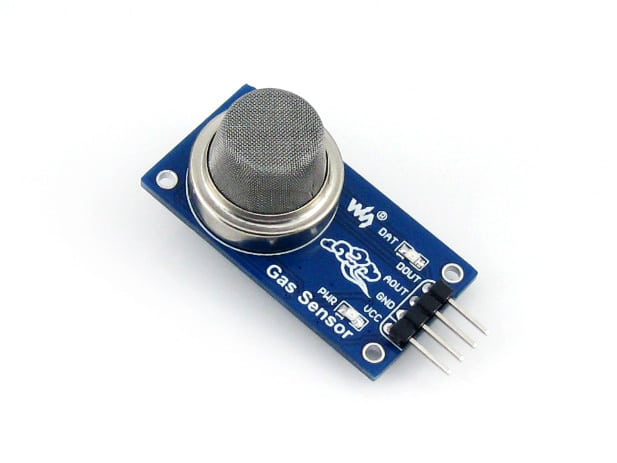
MQ-2 LPG, Propane and Hydrogen Measuring Module
The MQ-2 Gas Sensor Module is a metal-oxide semiconductor device that detects concentrations of LPG, propane, hydrogen, smoke, (gas leaks) and methane in the air. It utilizes an internal heater and a tin dioxide ($SnO_2$) sensing element, whose electrical conductivity increases in the presence of combustible gases to provide an accurate representation of gas density. An integrated potentiometer allows user adjustment of the digital threshold limit, making it ideal for gas leakage alarms, industrial safety monitors, and environmental tracking projects.
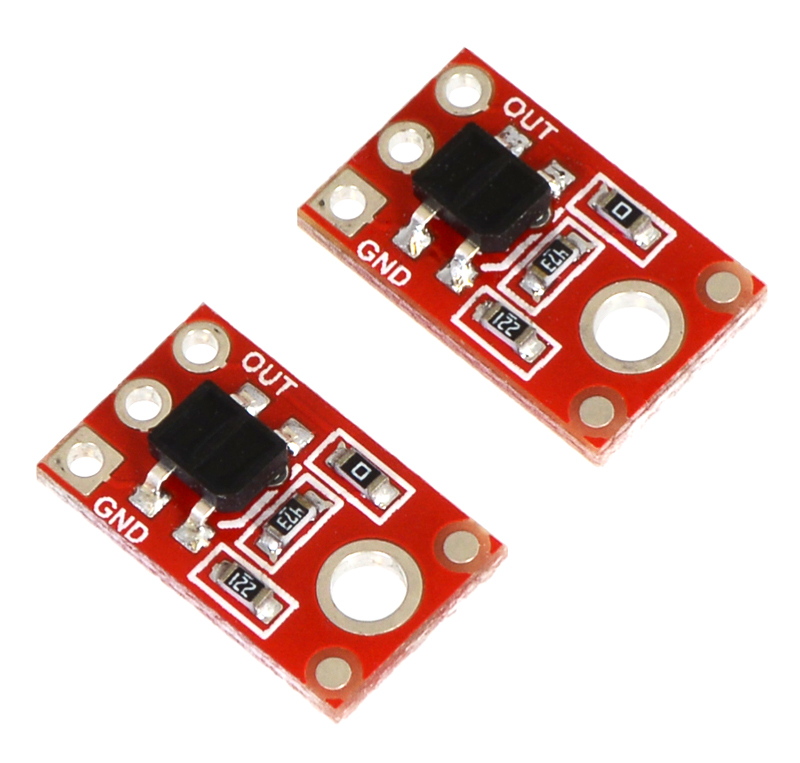
Reflectance / Analog Sensor (QTR-1A)
QTR-1A analog reflectance sensor for line tracking and surface contrast detection. The QTR-1A is a miniature reflectance sensor that detects surface reflectivity by measuring infrared (IR) light. It carries a single infrared LED and a phototransistor pair; the LED emits IR light, and the phototransistor measures how much of that light bounces back from the target surface. This immediate, low-latency analog readout makes it a standard component for edge detection, proximity sensing, and line-following robots where distinguishing between contrasting surfaces (like black and white) is necessary
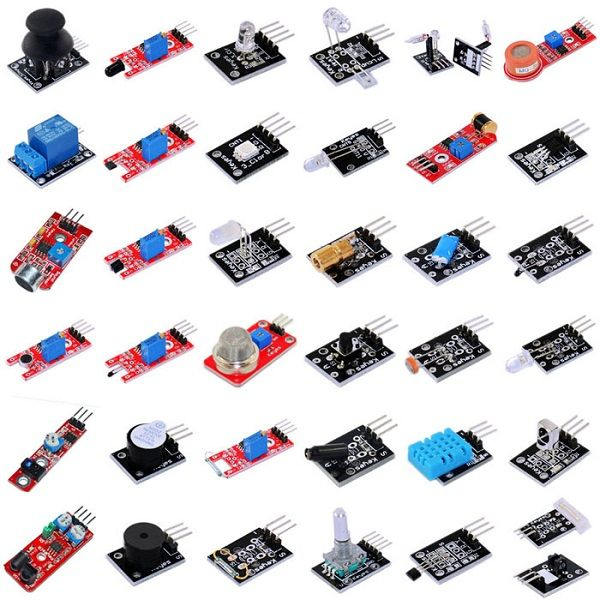
37 Pieces Arduıno Sensors Set
The **37-in-1 Arduino Sensor Kit** is a comprehensive collection of pre-assembled electronic modules designed for rapid prototyping and learning with microcontrollers. It consolidates a diverse array of hardware inputs and outputs—such as temperature, motion, light, magnetic, and acoustic sensors—into a single package with standardized pin configurations. By incorporating all necessary biasing resistors and capacitors directly onto each module's PCB, the kit eliminates complex circuit design and allows components to interface immediately with an Arduino via standard jumper wires.
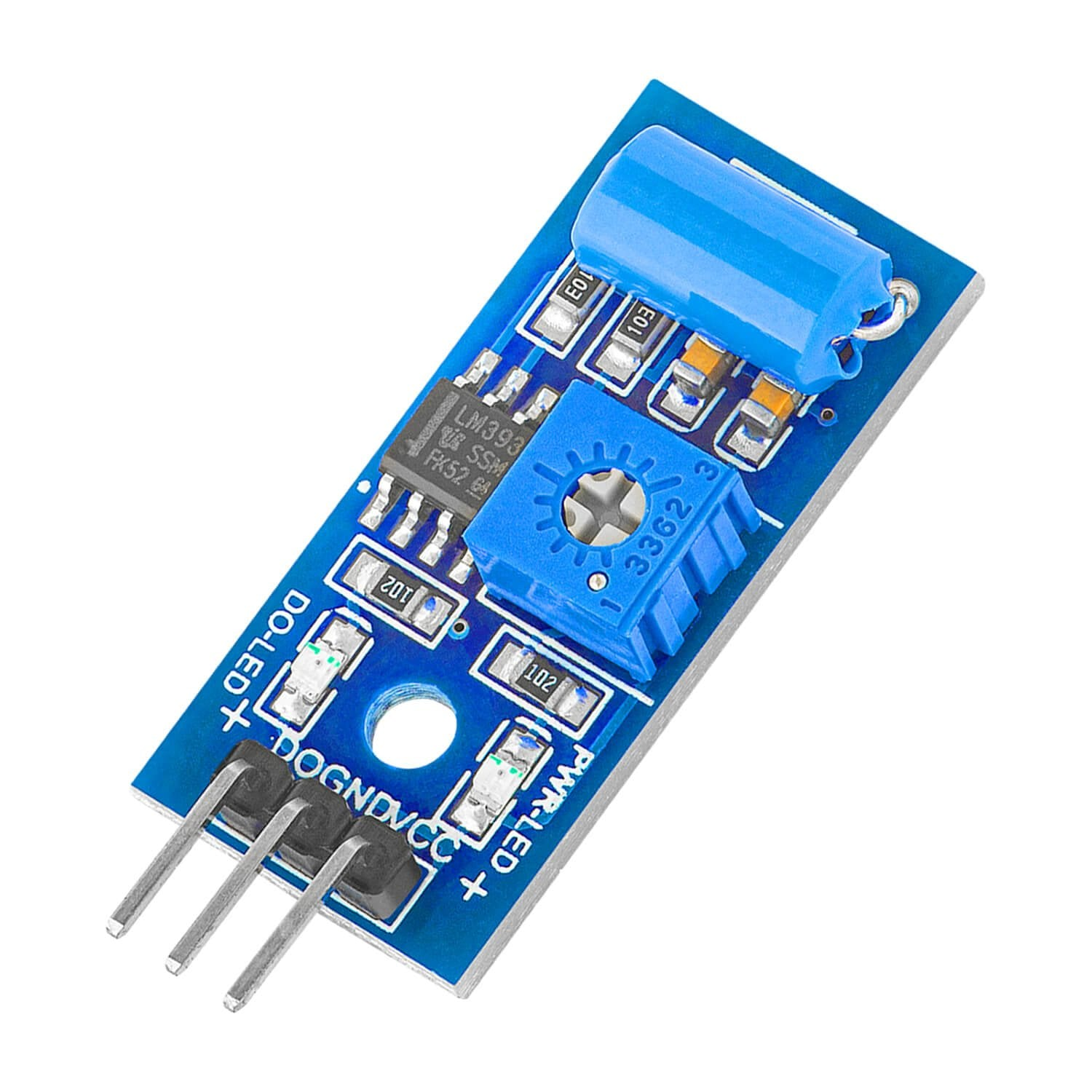
SW420 Vibration / Tilt Sensor
SW420 vibration and tilt sensor module for shock detection and anti-tamper applications. The SW420 is a motion-sensing module used in security alarms, smart appliances, and impact detection systems. It contains a small rolling roller or spring inside a metallic housing that breaks an electrical circuit when shaken or tilted. When the sensor is still, the circuit is closed and outputs a LOW signal. When it detects vibration or tilt, the internal contacts momentarily separate, causing the module to output a HIGH signal. It operates on 3.3V to 5V, features an onboard potentiometer to adjust the vibration sensitivity, and connects directly to any microcontroller digital pin to trigger immediate alerts.
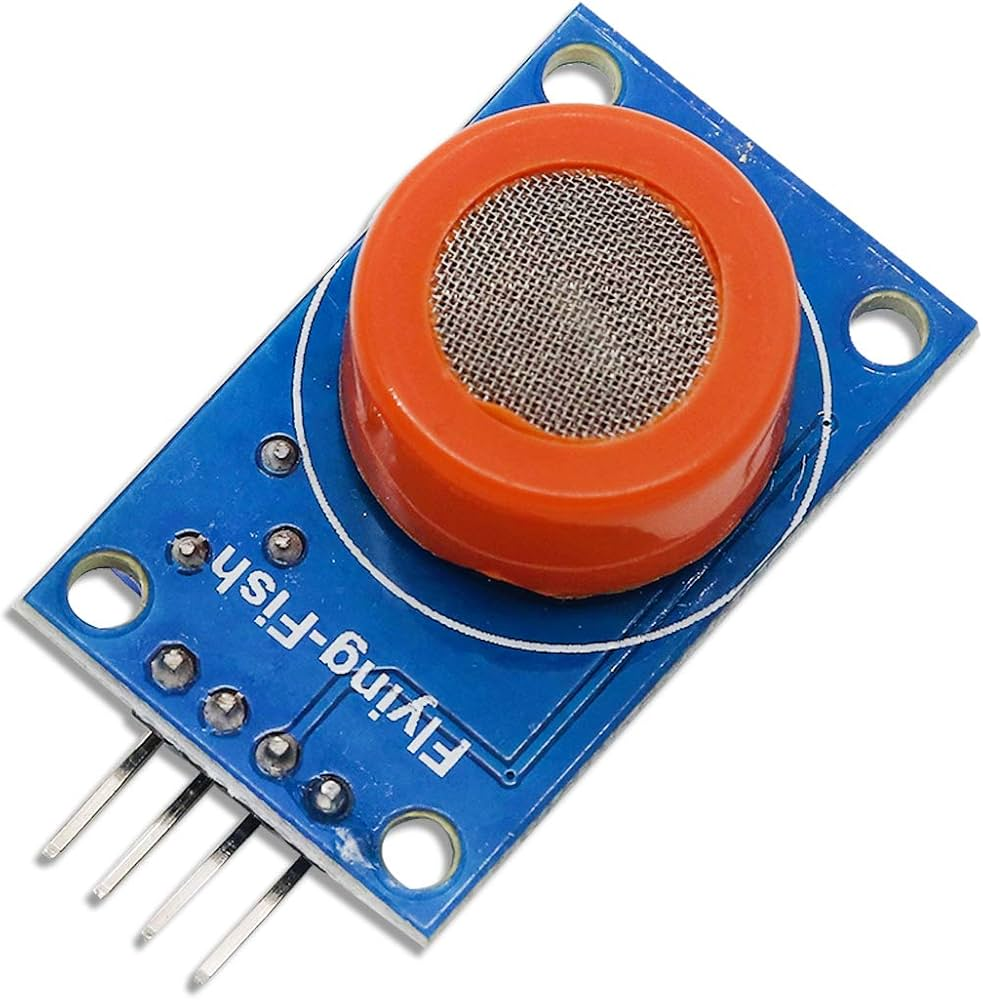
MQ-3 Alcohol Measuring Module
MQ-3 alcohol sensor module for measuring alcohol vapor concentration in air. The MQ-3 is a gas sensor module used in breathalyzers and environmental monitors to detect ethanol alcohol vapor in the air.It contains a tin dioxide ($SnO_2$) heating element whose electrical resistance drops when it comes into contact with alcohol gas. The module converts this change in resistance into both a 0V to 5V analog voltage signal—which tells you the relative concentration of the alcohol—and a digital high/low signal for simple threshold triggers. It operates on 5V and requires a built-in heater to warm up before it can provide accurate readings to a microcontroller.
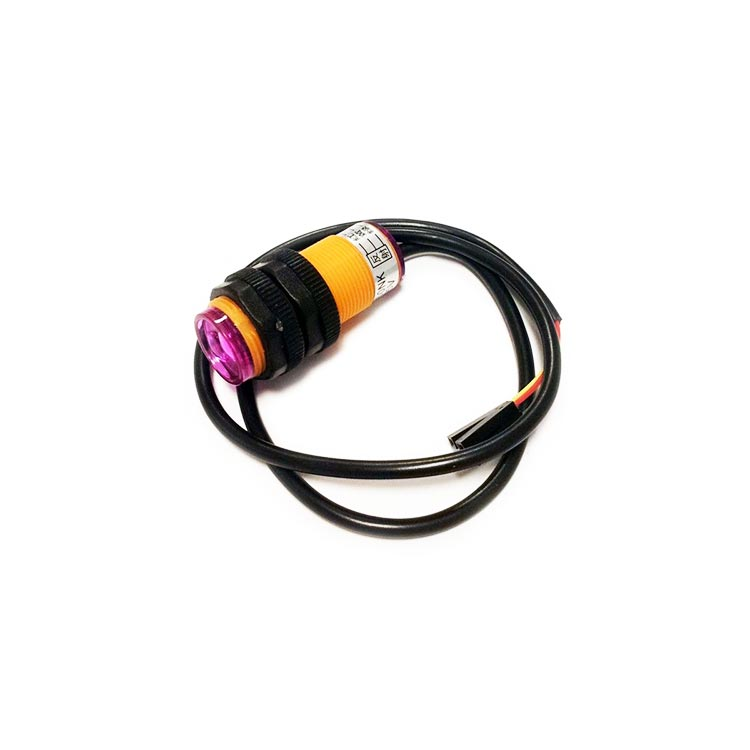
Infrared Sensor 80cm
E18-D80NK infrared proximity sensor with up to 80 cm object detection range. The 80cm IR sensor is a distance-measuring module used for robotic obstacle avoidance. It projects infrared light and uses triangulation to calculate the distance to an object between 10 and 80 centimeters, making it unaffected by color or reflectivity. It runs on 5V and outputs a shifting analog voltage that a microcontroller reads to detect upcoming walls or barriers.
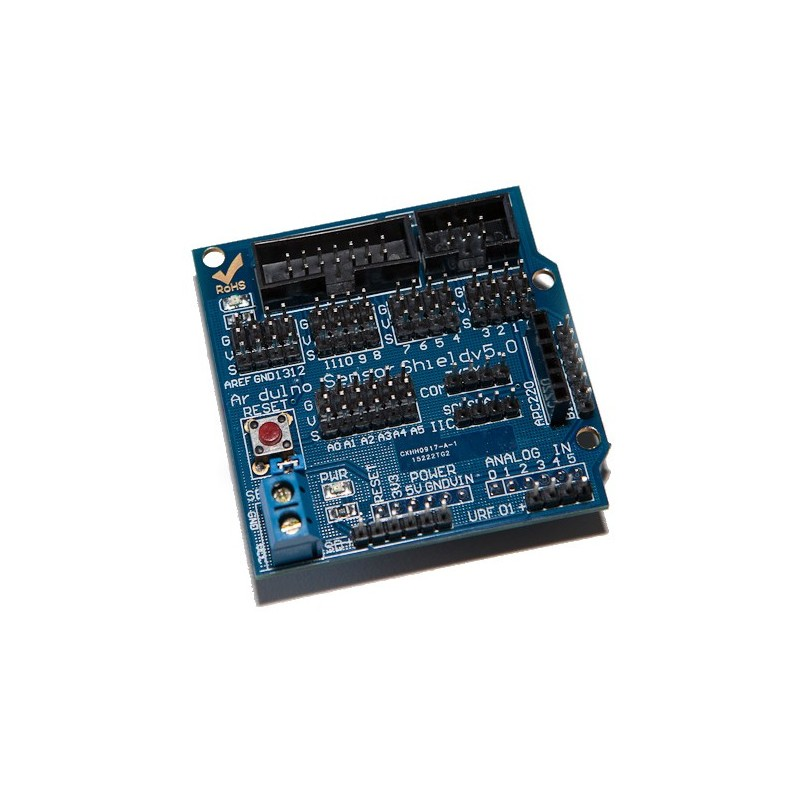
Arduino Uno Sensor Shield V5
Sensor Shield V5 for Arduino Uno that expands I/O with easy 3-pin sensor connections. The Arduino Uno Sensor Shield V5 is an expansion board used to simplify wiring by breaking out the Uno's pins into dedicated headers. It expands each digital and analog pin into a 3-pin format containing Signal, Voltage, and Ground, allowing you to plug in servos, sensors, and buttons directly without a breadboard. It also features dedicated ports for I2C, SPI, Bluetooth, and LCD interfaces, and includes an external power terminal to drive high-current components like motors safely.
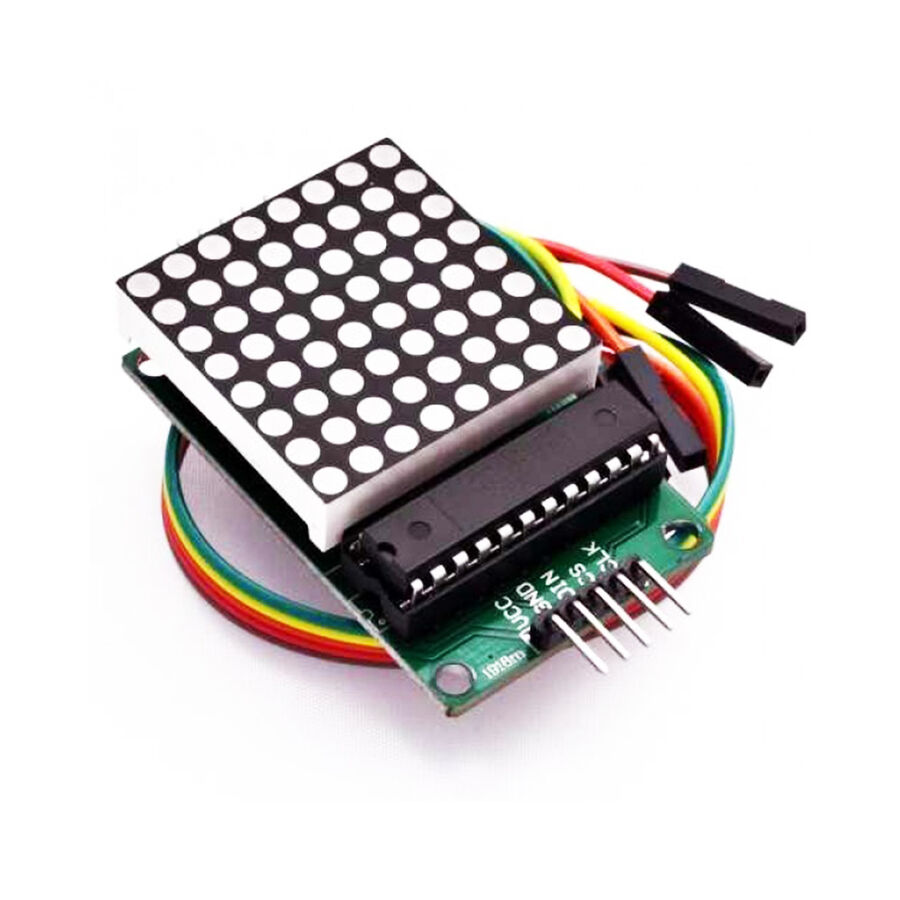
8x8 Dot Matrix Arduino Shield MAX7219
The 8x8 Dot Matrix Arduino Shield MAX7219 is a display module used to show scrolling text, custom characters, and simple graphics in DIY electronics projects. It features an 8x8 grid of 64 LEDs driven by the MAX7219 controller chip, which handles all the multiplexing, so the Arduino only needs three digital pins to control the entire display via SPI communication. The shield plugs directly onto an Arduino Uno, operates on 5V, and can be daisy-chained with multiple units to create longer seamless message boards.
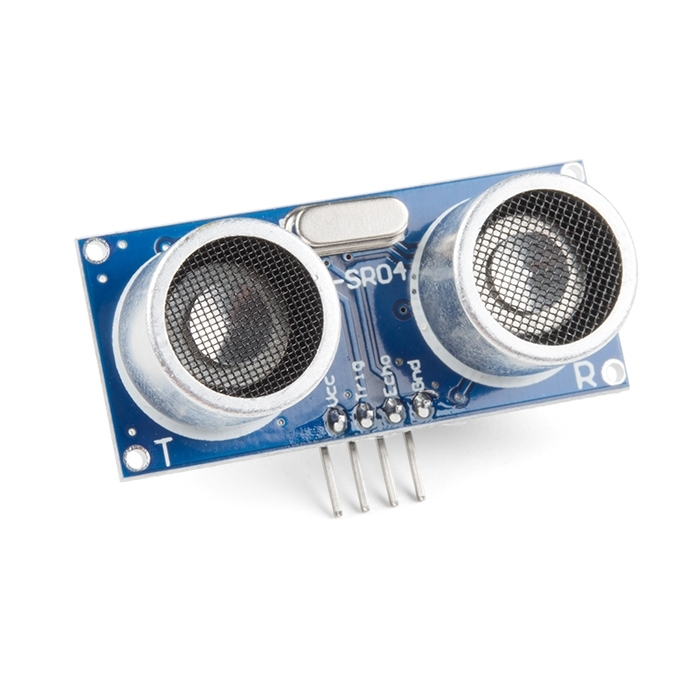
HC-SR04 Ultra Sonic Sensor
The HC-SR04 is an ultrasonic distance sensor used in robotics for obstacle avoidance and depth sensing. It works like sonar, emitting a high-frequency sound wave from one cylinder and measuring the time it takes for the echo to bounce back to the second cylinder. It operates on 5V, can detect objects from 2 to 400 centimeters away, and connects to two digital pins on a microcontroller to calculate distance based on the speed of sound.
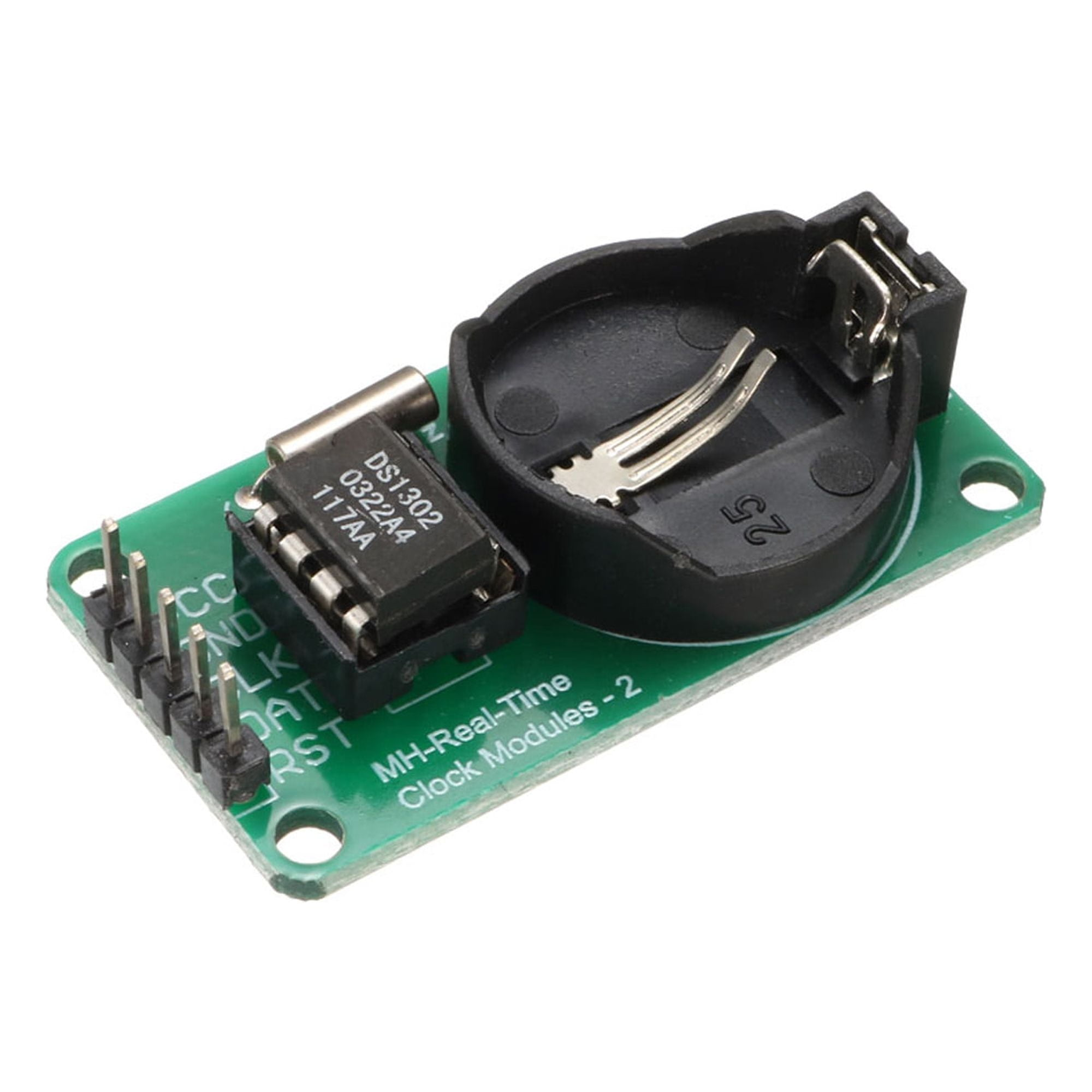
DS1302 Real Time Clock Module
DS1302 real-time clock module for keeping date and time with battery backup. The DS1302 is a low-power, trickle-charge real-time clock (RTC) chip that keeps track of the current time and date. It maintains counts for seconds, minutes, hours, day of the week, date, month, and year, automatically adjusting for months with fewer than 31 days and accounting for leap years up to the year 2100. It operates using a simple 3-wire serial interface (CLK, I/O, and CE/RST) to communicate with a microcontroller like an Arduino. The module typically features a backup coin-cell battery holder, allowing the chip to keep accurate time even when the main microcontroller loses power. Additionally, it contains 31 bytes of non-volatile RAM for basic data storage.
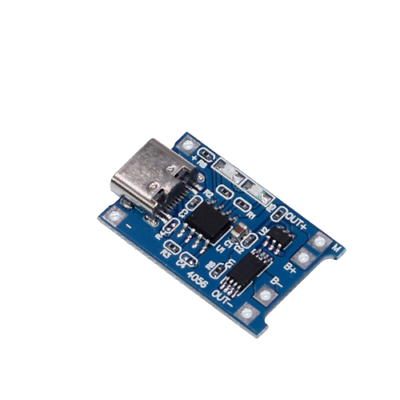
TP4056 18650 Li-Pil Charger Module USB TYPE-C
TP4056 Type-C charging module for single 18650 Li-ion cells with charge management. The TP4056 Type-C Module is a linear charger designed for single-cell 18650 lithium batteries. It safely charges a 3.7V battery up to 4.2V using a Type-C USB power input. The module features a default 1A charge current and includes built-in protection ICs against over-charging, over-discharging, and over-current. Two onboard LEDs display the status: one indicates active charging, and the other signals a full charge.
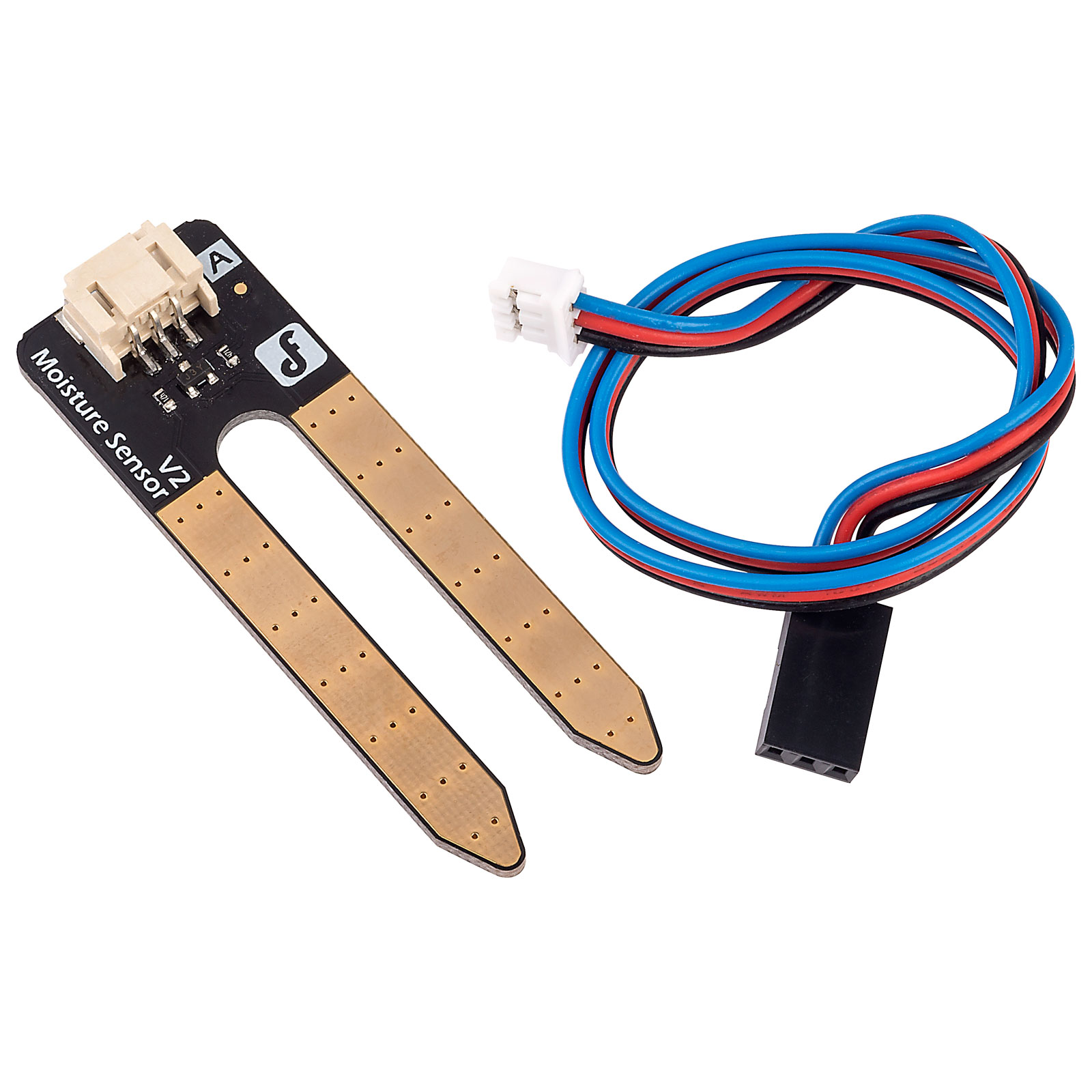
Soil Moisture Sensor
Analog soil moisture sensor for monitoring water level in soil for irrigation projects. The **Soil Moisture Sensor** measures the volumetric water content in soil. It consists of two main parts: a two-pronged probe that inserts into the ground and an electronic receiver board that processes the signals. It works by passing a current through the soil between the prongs to measure electrical resistance; wetter soil conducts electricity easily (low resistance), while dry soil conducts poorly (high resistance). The module provides both an analog output for precise moisture level readings and a digital output with an adjustable threshold potentiometer to trigger a signal when the soil gets too dry.
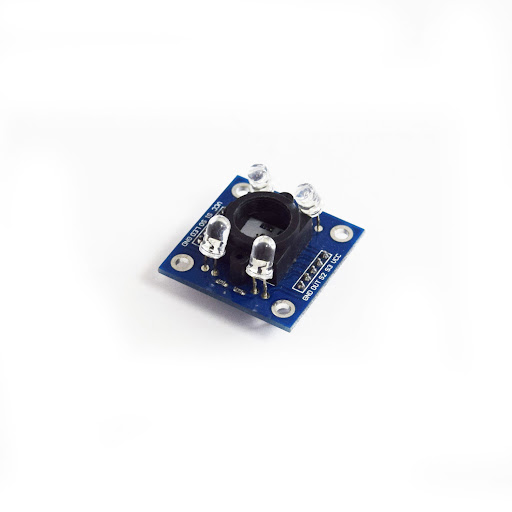
Arduino Color Recognition Sensor GY-31
GY-31 color recognition sensor for detecting and classifying RGB colors. The GY-31 is a color sensor module that uses the TCS3200 chip to detect the color of an object. It shines light onto a surface using four onboard white LEDs and reads the reflected light through a grid of color-filtered photodiodes. The sensor outputs a square wave with a frequency directly proportional to the intensity of the reflected red, green, or blue light. By cycling through the sensor's RGB filters using digital pins, an Arduino can measure the frequencies to calculate the exact RGB value of the object.
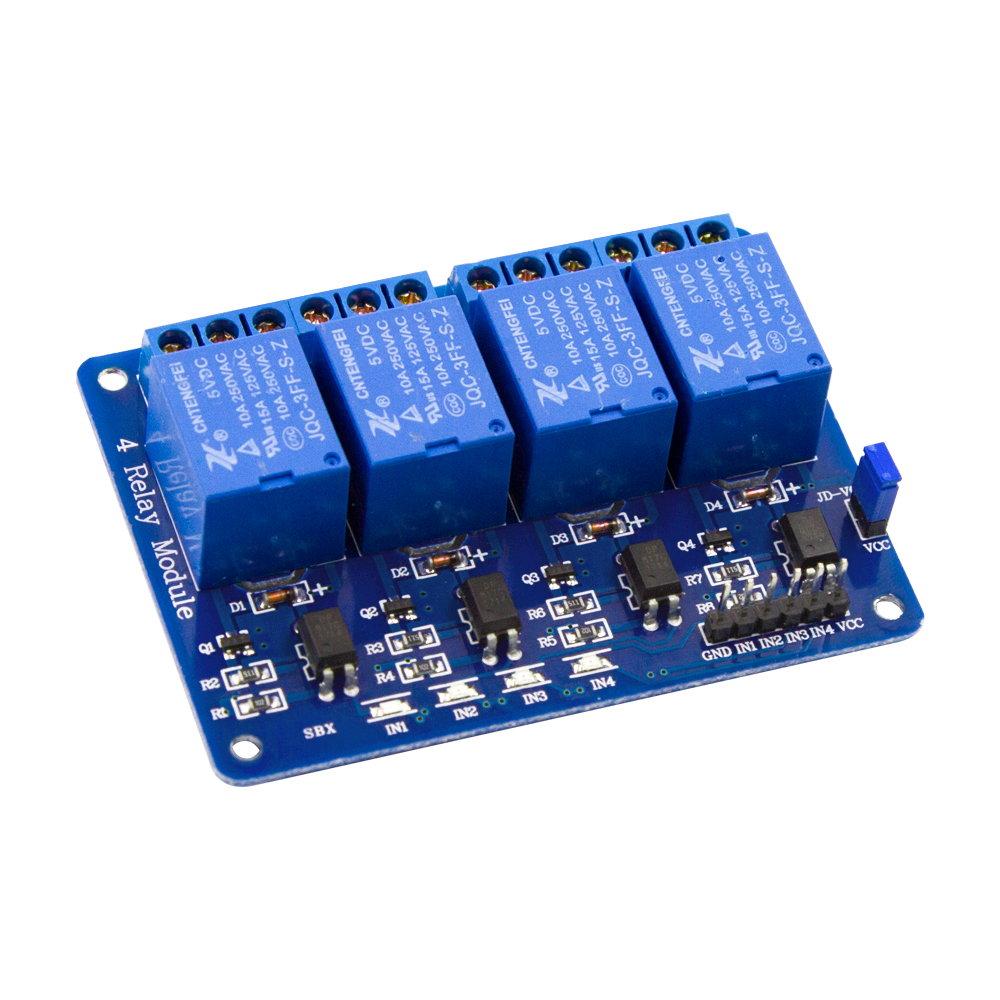
5V 4 Relay Module
5V 4-channel relay module for switching AC/DC loads from microcontroller outputs. The **5V 4-Channel Relay Module** is an electronic switchboard that lets a 5V microcontroller safely control up to four high-voltage, high-current appliances (up to 250V AC or 30V DC at 10A) simultaneously. When a channel receives a digital trigger signal, an internal electromagnetic coil energizes and mechanically flips an isolated switch. Each of the four channels features a Common (COM), Normally Open (NO), and Normally Closed (NC) screw terminal, allowing you to choose whether a connected circuit completes or breaks when the relay activates.
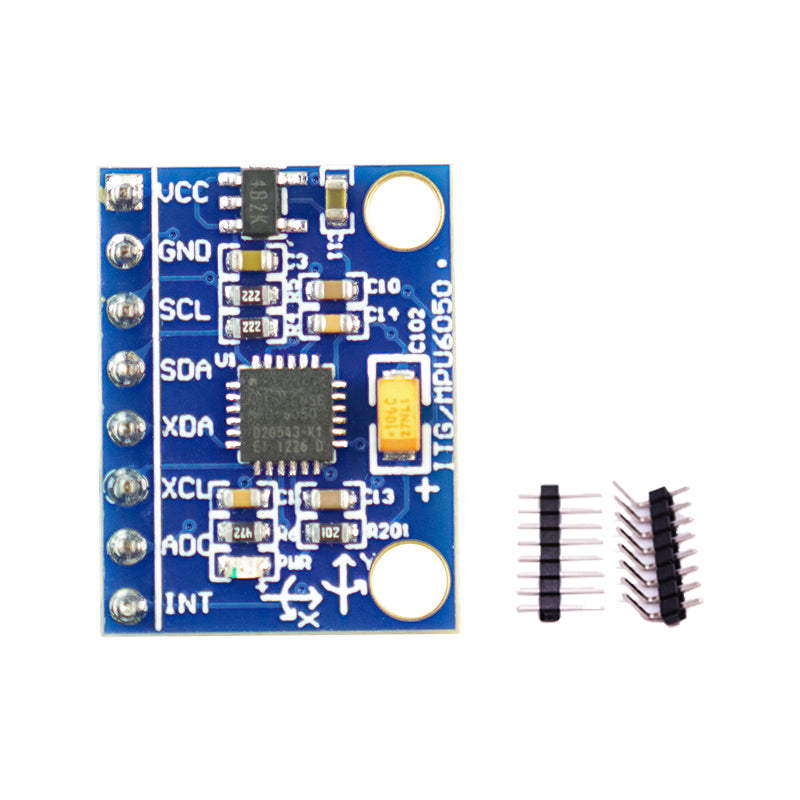
MPU6050 ACCELEROMETER
MPU6050 6-axis IMU combining 3-axis gyroscope and 3-axis accelerometer data. The **MPU6050** is a motion sensor that combines a 3‑axis accelerometer and a 3‑axis gyroscope in one chip. It’s used to measure tilt, orientation, and movement, making it popular in drones, robots, and wearable devices for tracking motion and stability.
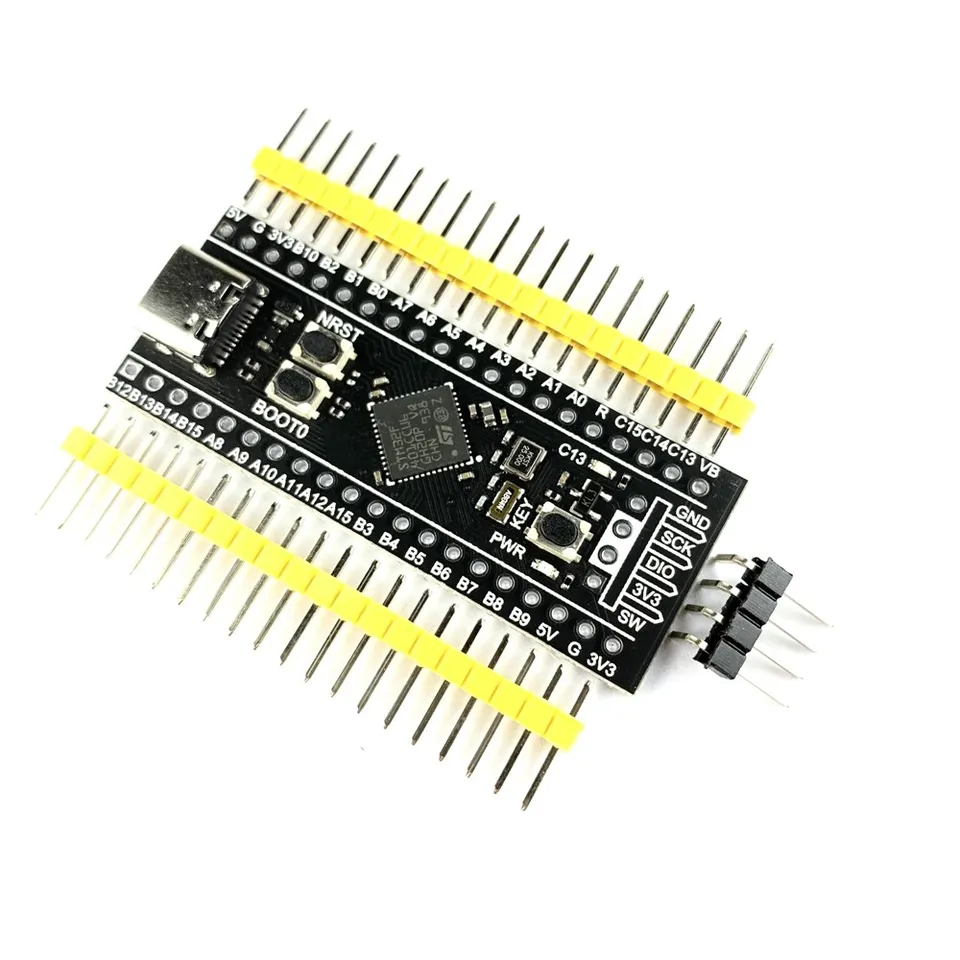
STM32F401 Development Board
STM32F401 development board for embedded applications using ARM Cortex-M4 microcontroller.
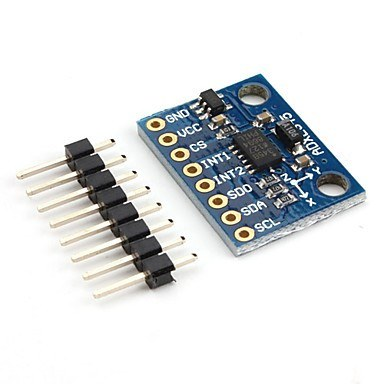
ADXL345 3AXIS Accelerometer
ADXL345 3-axis accelerometer module for tilt, motion, and vibration sensing. The ADXL345 is a small sensor that measures movement and tilt in three directions (X, Y, and Z). It’s mainly used to detect orientation, vibration, and motion in devices like phones, drones, and robots, and it communicates easily with microcontrollers such as Arduino.
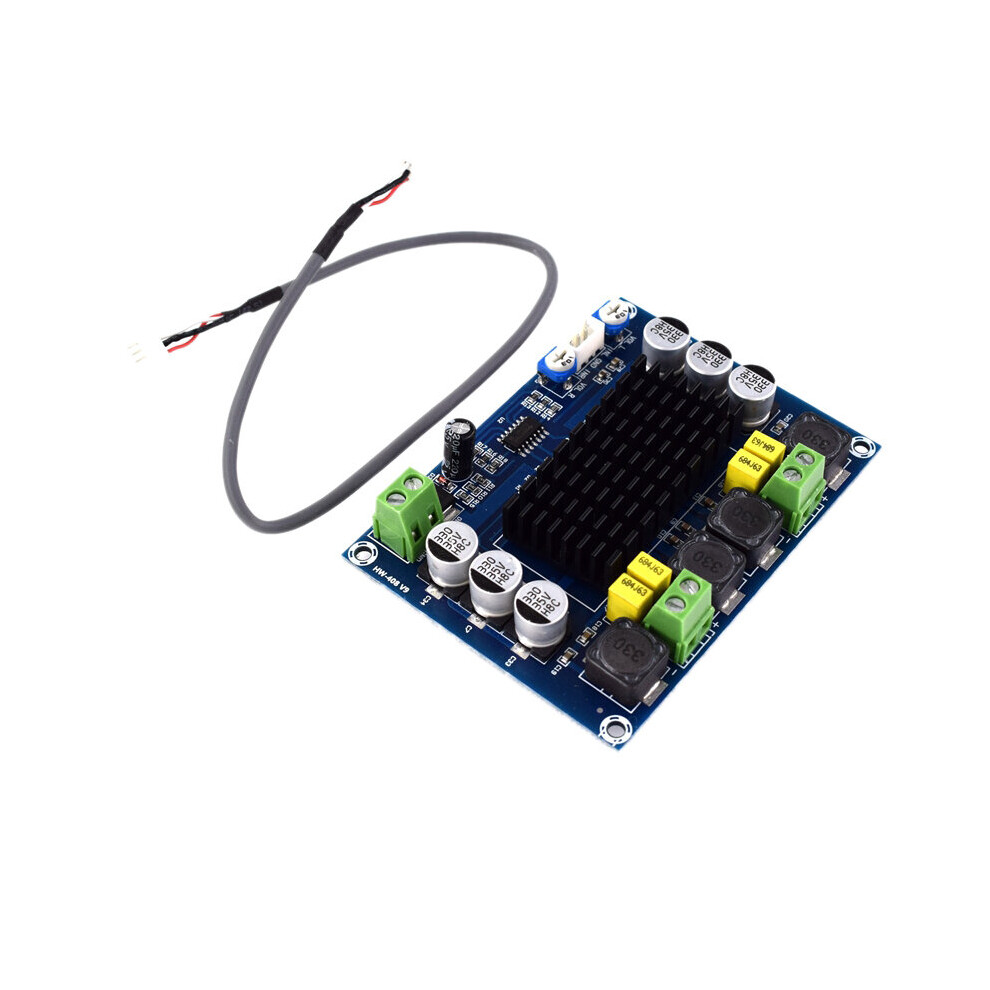
DC 12V 24V 120W*2 TPA3116 D2 Dual Channel Digital Power Amplifier
TPA3116D2 dual-channel digital amplifier board for high-power stereo audio output. Detailed explanation: That device is a **dual‑channel digital audio power amplifier** based on the TPA3116 chip. It runs on 12–24 volts DC and can deliver up to 120 watts per channel, meaning it’s used to drive two speakers with clear, powerful sound. In short, it’s a compact amplifier board for building or upgrading stereo audio systems.
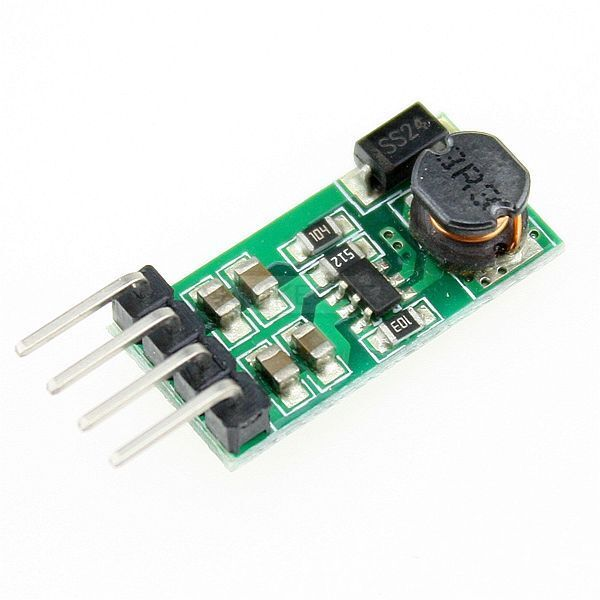
3.5A 3.3V DC DC Buck Voltage Converter Module
DC-DC buck converter module that steps higher input voltage down to stable 3.3V output up to 3.5A. DeThat module is a **DC‑DC buck converter**, which means it takes a higher DC voltage and steps it down to a stable lower voltage. In this case, it converts input power to a regulated 3.3V output at up to 3.5A, making it useful for powering microcontrollers, sensors, or other electronics that require 3.3V from a larger supply like 12V.taıled exp: That module is a **DC‑DC buck converter**, which means it takes a higher DC voltage and steps it down to a stable lower voltage. In this case, it converts input power to a regulated 3.3V output at up to 3.5A, making it useful for powering microcontrollers, sensors, or other electronics that require 3.3V from a larger supply like 12V.
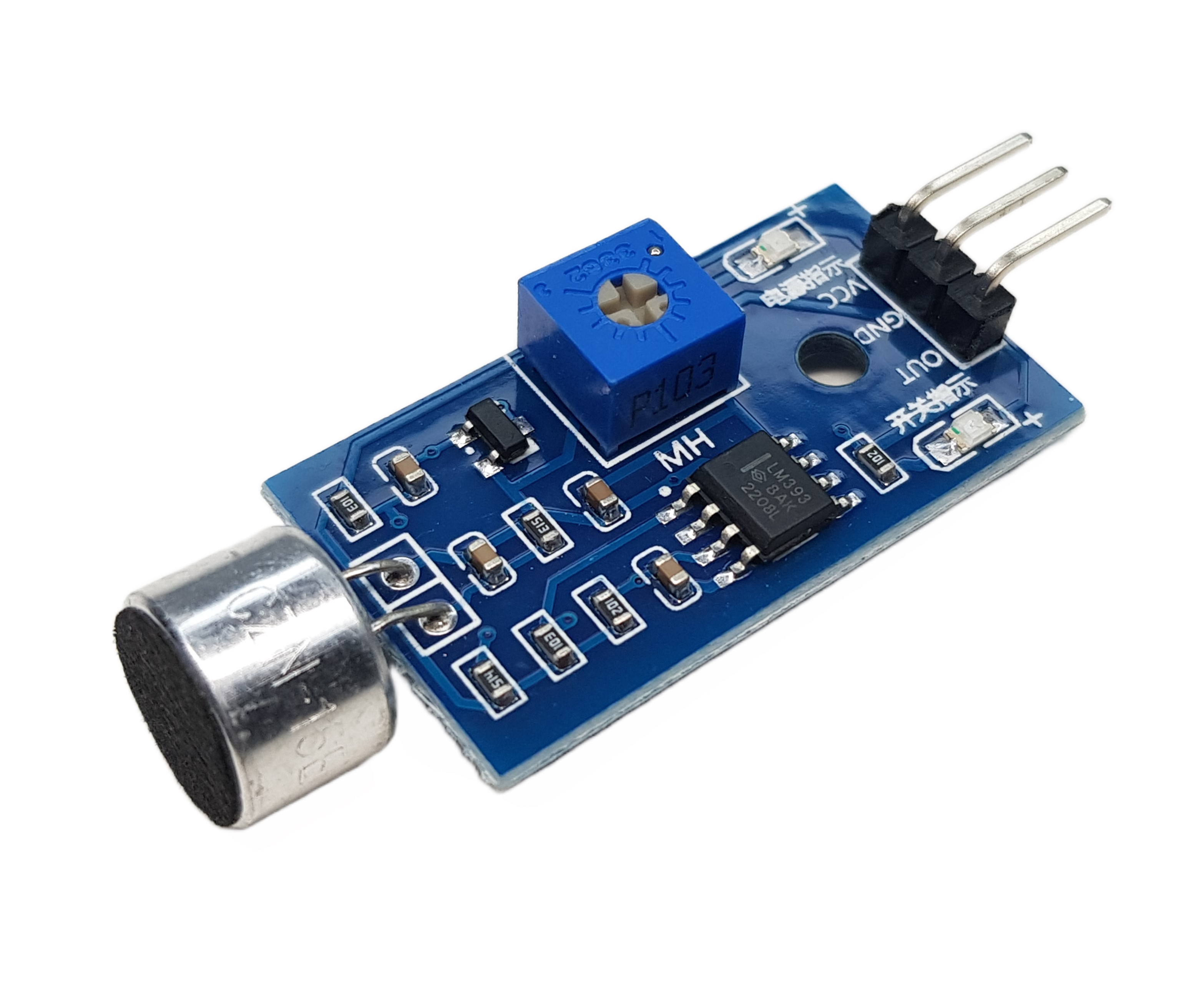
Arduino Noise / Digital Sound Detection Module
Sound detection module with microphone and digital trigger output for noise level sensing. Detailed Explanation: That module is a **sound sensor for Arduino**. It detects noise levels in the environment and outputs a digital signal when the sound exceeds a certain threshold. In simple terms, it’s used to make projects react to claps, knocks, or other loud sounds by triggering an action in your circuit.
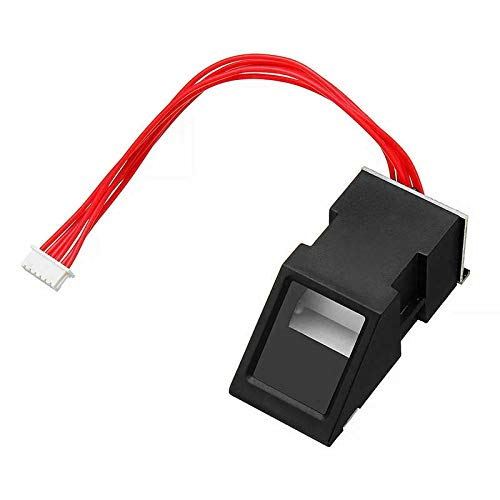
FPM10A Finger Sensor Module
FPM10A fingerprint sensor module for biometric user identification and access control projects. The **FPM10A Finger Sensor Module** is a fingerprint recognition device. It’s used to scan and store fingerprints, then compare them for identification or access control. In simple terms, it lets you add biometric security to projects like door locks, safes, or Arduino-based systems.
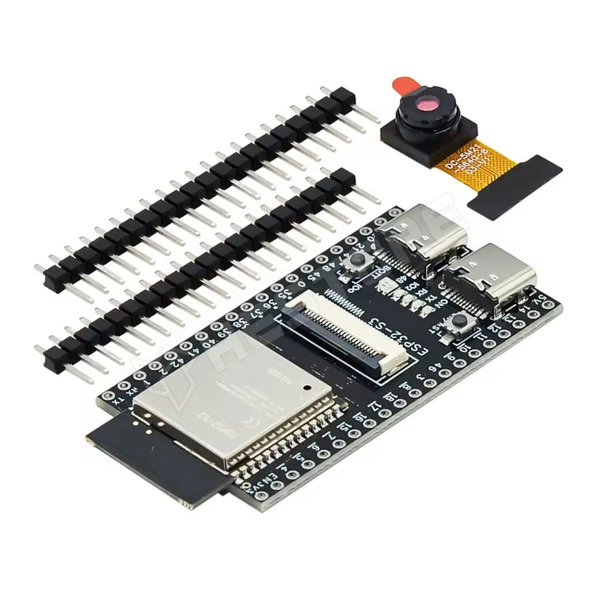
ESP32-S3-N16R8-CAMERA
The **ESP32‑S3‑N16R8‑CAMERA** is a development board built around the ESP32‑S3 chip, designed specifically for camera and image processing projects. It combines Wi‑Fi and Bluetooth connectivity with a built‑in camera interface, making it ideal for applications like smart door locks, video streaming, face recognition, and IoT surveillance systems. In short, it’s a powerful microcontroller board that lets you capture images or video and process them directly, while also connecting to networks for smart device projects.